
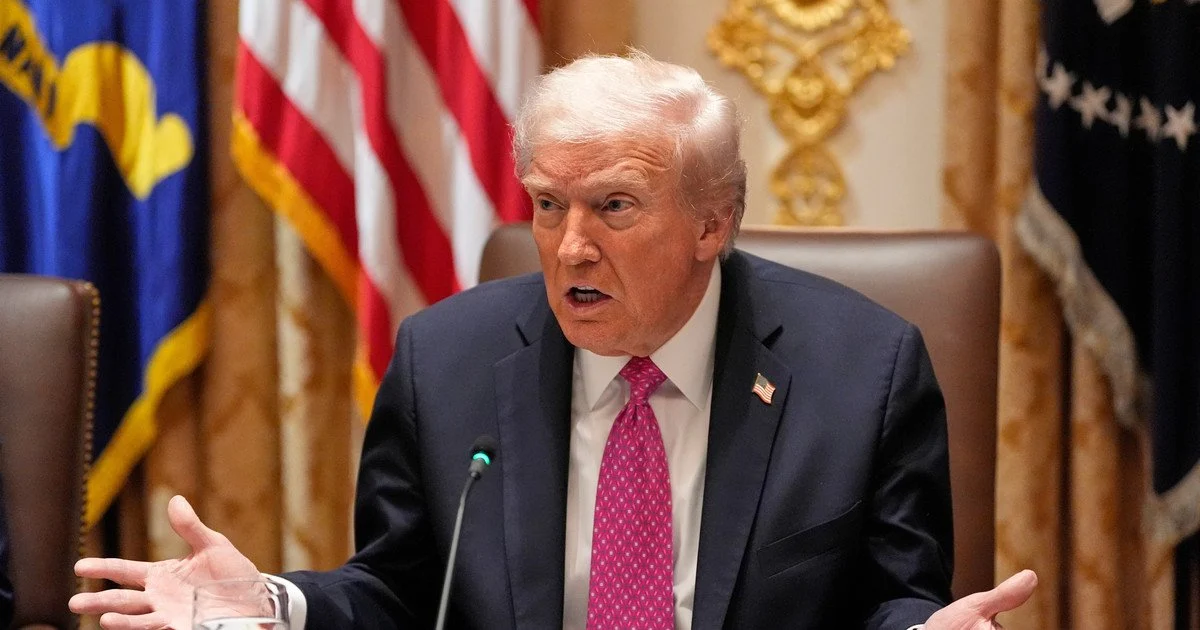

The US Department of Justice’s release of documents related to the Jeffrey Epstein case could potentially damage his reputation. More than 90 interrogation reports (302 files) have gone missing from the main data set, including some really important testimony against the current US president.
More than 90 witness interrogation records have gone missing from the US Department of Justice’s public release of documents in the Jeffrey Epstein case. This is a quarter of the FBI’s total list. Three interviews with a woman who says Donald Trump sexually assaulted her are among the missing files. The alleged assault reportedly took place several decades ago. CNN covered this.
Hey, just wanted to touch base about those documents that were missing, and how Congress is responding.
According to the evidence log provided to lawyers for Epstein’s accomplice Ghislaine Maxwell, the FBI registered about 325 interrogation reports (so-called “302” files). But more than 90 of them are currently missing from the Justice Department’s official website.
Robert Garcia, a member of the House Oversight Committee, said the published data wasn’t complete. He said that the fact that we can’t access the testimony of someone who’s made serious allegations against the current president makes us wonder if the Trump administration is following the Freedom of Information Act.
What Trump is accused of
The publication says the missing records are related to a woman who contacted the FBI in July 2019. She said Epstein sexually abused her when she was 13. According to the surviving materials, the woman reported an assault by Trump, which allegedly took place between 1983 and 1985.
The 2025 reports say that the victim accused Trump of sexual assault and physical assault. During questioning, the woman’s lawyer mentioned that she was worried about retaliation because of the involvement of “prominent individuals” in the case.
Trump has repeatedly denied any connection to Epstein’s crimes. The White House called the allegations “false and sensational,” saying that some documents may contain inaccurate information.
The Department of Justice’s position on the matter
A spokesperson for the US Department of Justice said the claims of deliberate file deletion are not true. The department says the documents that weren’t made public are either:
- We’ve already made public copies of the records.
- Hey, just a heads-up that we’ve got some confidential materials here.
- This is part of ongoing federal investigations.
Some documents had already gone missing from the website, but they were later put back up after being “edited in the interests of the victims.” But experts, including Andrew McCabe, the former FBI Deputy Director, say the “302” reports are key to understanding how the investigation into Epstein’s network was handled.
Here’s what the victims had to say:
People who’ve been exploited sexually are upset about the lack of transparency in the process. Hayley Robson, one of the victims, sent a letter to the court. In it, she said that the lack of complete transcripts and excessive censorship (editing) of names “keeps the secrecy” that let Epstein evade responsibility for years.
Jeffrey Epstein, who was charged with sex trafficking, died in a federal prison in 2019. The release of his case files is one of the most high-profile cases in the US legal system.
What we do know about Epstein
Jeffrey Epstein was a big-time financier who had been friends with presidents and celebrities for years. The case against him started in 2005 with a complaint from the parents of a 14-year-old girl. Then, Florida police got their first report that the billionaire had molested a child at his home in Palm Beach. The investigation later revealed that from 2002 to 2005, Epstein had set up a whole system for providing sexual services by minors at his estates in Manhattan and Florida.