

A screen protector is something you use up over time, and the experts at BGR say you should replace it every 10–12 months, even if there’s no visible damage. In addition to cracks, other signs that it’s time for a replacement include peeling edges, dust getting under the adhesive layer, cloudiness, and decreased sensor sensitivity. There are three main types of screen protectors out there: tempered glass (the most durable), polyurethane films (they can heal themselves), and PET (a budget-friendly option). If you put a new screen protector on when it’s still good, you won’t have to pay for a big repair down the road. Over time, protectors lose their protective properties because of microcracks and wear on the oleophobic coating.
Screen protectors have always been a standard accessory for phones, helping to prevent scratches and cracks on the screen. But even the best screen protectors don’t last forever, so it’s important to know when it’s time to replace them. Experts say that these accessories aren’t made for long-term use. Eventually, the screen protector’s properties start to wear off. You’ll see microcracks, it’ll become less transparent, and the edges will start to peel away. BGR says that this not only makes the device look worse, but it also reduces the screen’s protection.
Here are some key signs that it’s time to replace the screen protector
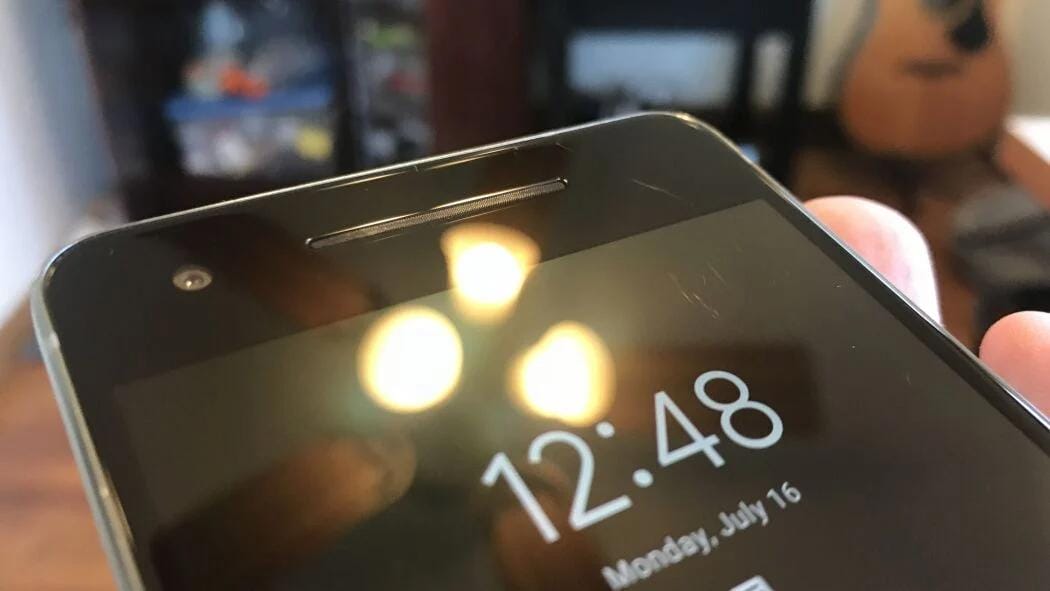
The most obvious sign is the appearance of cracks or chips. Even a little damage can mess up the glass’s structure, and if the phone drops again, it might not protect the screen.
Another important sign is peeling at the edges. Over time, the adhesive layer wears out, allowing dust and dirt to get under the glass, which can lead to scratches on the display itself.
You should also be aware of a decrease in screen sensitivity and the appearance of cloudiness or glare. This means the protective layer has worn out and isn’t working right.
How often should you replace your screen protector?
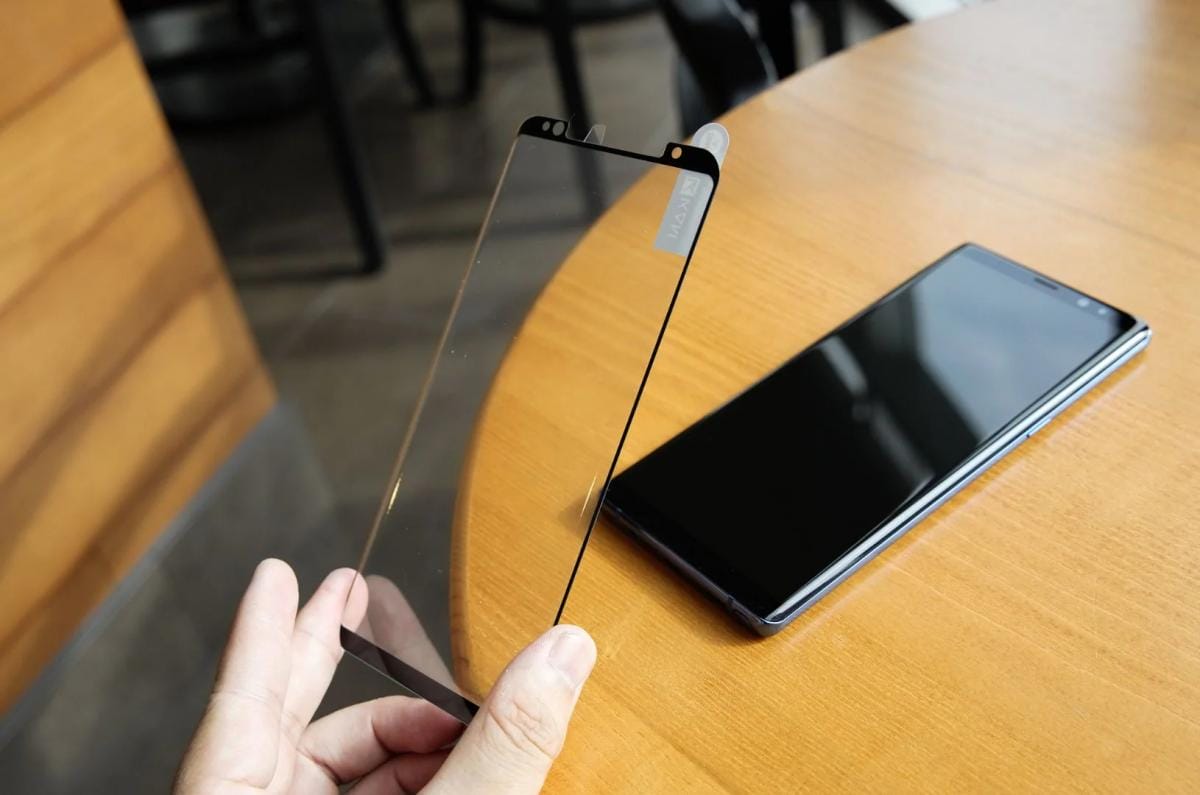
Experts say you should replace your screen protector every 10–12 months, even if it doesn’t look damaged. Over time, micro-scratches and normal wear and tear can reduce its effectiveness, and after a drop, it might not be able to protect the display anymore.
When picking a new screen protector, it’s not just about the price, but also the material. The most common options out there are made of tempered glass, polyurethane, and polyethylene terephthalate.
Tempered glass is considered the strongest and most reliable option. It’ll protect your screen against impacts and scratches, which is why it often costs more than other solutions. This type of protection feels the most like the smartphone’s “native” display glass and has almost no impact on user comfort.
Polyurethane films are cheaper and offer a decent level of protection. They’re not as durable as glass, but they’ve got a cool feature—they can partially self-heal after minor scratches and scuffs.
Polyethylene terephthalate films are the most budget-friendly option on the market. They don’t offer much protection, but they’re super thin and you can practically see through them on the screen once you install them.
Other features matter too. All three types of protection can include an anti-glare coating, fingerprint protection, blue light filtering, or even a privacy mode that hides the screen’s content from prying eyes. It depends on what matters more to you—maximum protection or the feel of a “bare” screen without extra layers.
If you’re someone who’s always dropping their phone or want the best protection, experts suggest going for tempered glass. For an extra level of safety, you can pair it with a shock-resistant case to cushion the impact of a fall.
At the end of the day, a screen protector is something you’ll need to replace eventually. If you replace it on time, you can keep your smartphone screen in good condition and avoid costly repairs.