
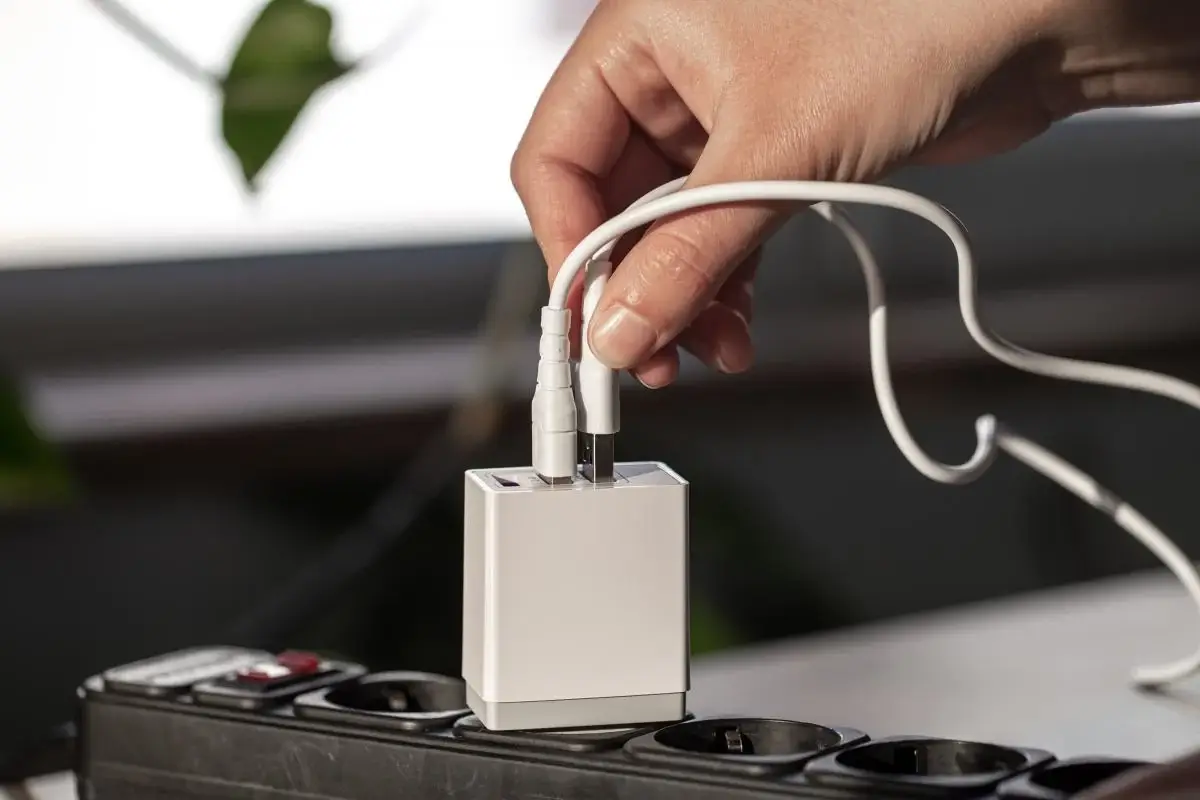

Lithium-ion batteries are used in most modern smartphones, and there are five common myths about how to take care of them. First, it’s safe to use your phone while it’s charging, but only for simple tasks (games and 4K streaming can cause dangerous overheating). Second, using cheap, uncertified $5 chargers can damage the motherboard because of voltage spikes. Third, letting the device run completely dry is a bad idea (the best range is between 20% and 80%). Fourth, overnight charging won’t lead to “overcharging” thanks to built-in controllers. However, keeping the battery at 100% creates a micro-load, so it’s worth enabling power optimization features. Wireless charging isn’t as efficient, and it generates heat, which speeds up battery aging. This means you’ll need to remove thick cases.
Most modern smartphones use lithium-ion (Li-ion) batteries, but there are still a lot of misconceptions about this technology. BGR says that bad habits can reduce your phone’s battery life and even put your safety at risk.
The first myth is about not using the gadget while it’s charging. Experts say that low-intensity tasks like reading, checking email, or taking notes are totally fine.
The article says that charging might be slower because the phone is balancing power between charging and discharging, but if you don’t notice it getting very hot, the battery should be fine.
But you should avoid demanding tasks like gaming or streaming 4K video at this time, as excessive heat can damage the battery.
Cheap accessories from the “black market” can also be a problem. As I said, cheap $5 chargers can’t regulate voltage right.
The article says that the saying “you get what you pay for” is usually true because cheap, unknown chargers are usually made from low-quality materials, and that’s where several problems arise.
Current fluctuations put a strain on the system, cause overheating, wear out the port, and can even burn out the motherboard. Experts say that you should only use chargers that are certified (MFi for iPhone or USB-IF for Android).
It’s important to be aware of the habit of draining a mobile phone to zero. If the voltage drops too low, it can damage the components and lead to electrode oxidation. Based on the info we’ve got, it’s best to keep the charge level somewhere between 20% and 80%.
The author of the article says that the best charge level is 50% because that’s when the battery reaches internal equilibrium. They also say that you should only let the charge drop to zero every now and then to recalibrate the sensors.
When it comes to overnight charging, most modern smartphones already have overcharge protection and automatically stop charging once the battery hits 100%. But, if you keep it at full charge for a long time, it can still cause some stress.
To keep your phone from getting too hot, you should enable features like “Optimized Battery Charging” on the iPhone or “Battery Care” on Samsung. Also, don’t hide your phone under a pillow or in a thick case while it’s charging.
At last, experts have shown that the idea of wireless charging stations being 100% efficient isn’t true. Since energy is transmitted through the air, they lose a lot of power and constantly generate heat, which accelerates battery degradation.
If you’re using a wireless charging method like the latest Qi2 protocol with magnetic alignment, the source says you should keep it cool, take off the thick case, and not use the phone while it’s charging.