
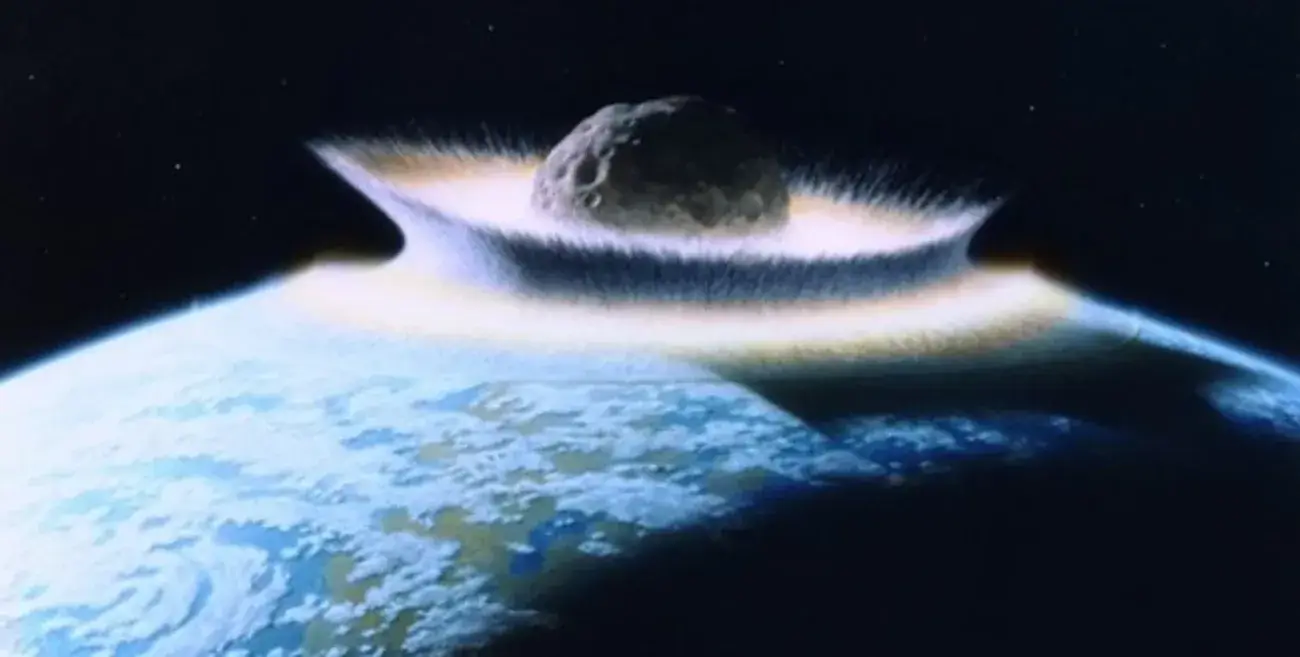

In Brazil, in the state of Minas Gerais, they’ve found a new type of tektite—the sixth in the world. Tektites are natural glass formed when an asteroid hits the Earth. The field stretches for 900 kilometers and was formed around 6.3 million years ago. They named the new type of glass “geraisite.” These little guys are about 2 centimeters long and transparent, and they’re a sort of grayish-green color. They’re mostly silicon, and they’re pretty common in the area. Even though the impact crater from the asteroid hasn’t been found yet, that’s pretty typical for this kind of geological area.
Scientists have found a bunch of tektites in Brazil. This is a rare type of natural glass that forms when asteroids fall to Earth. The new tektite field stretches for 900 kilometers and is linked to an asteroid impact that happened about 6.3 million years ago. This tektite field has a new type of natural glass called geraizite. Before this, only a few tektite fields were known on Earth. Gizmodo says the study came out in the journal Geology.
Scientists had only found five tektite fields on Earth before, and now there’s a new one in Brazil. This is because making molten glass is a complicated process.
Tektites are formed when large asteroids crash into Earth, which melts the rocks and sends them shooting into the air. As they fly through the atmosphere, the molten rocks take on different shapes. Then, the tektites cool and fall back to Earth, creating fields of natural glass.
The biggest tektite field on Earth is the Australasian Field, and there are others in Central Europe, Côte d’Ivoire, North America, and Belize. There’s a new tektite field in Brazil that stretches for 900 kilometers. The size of the field depends on how powerful the asteroid’s impact is and how big it is.
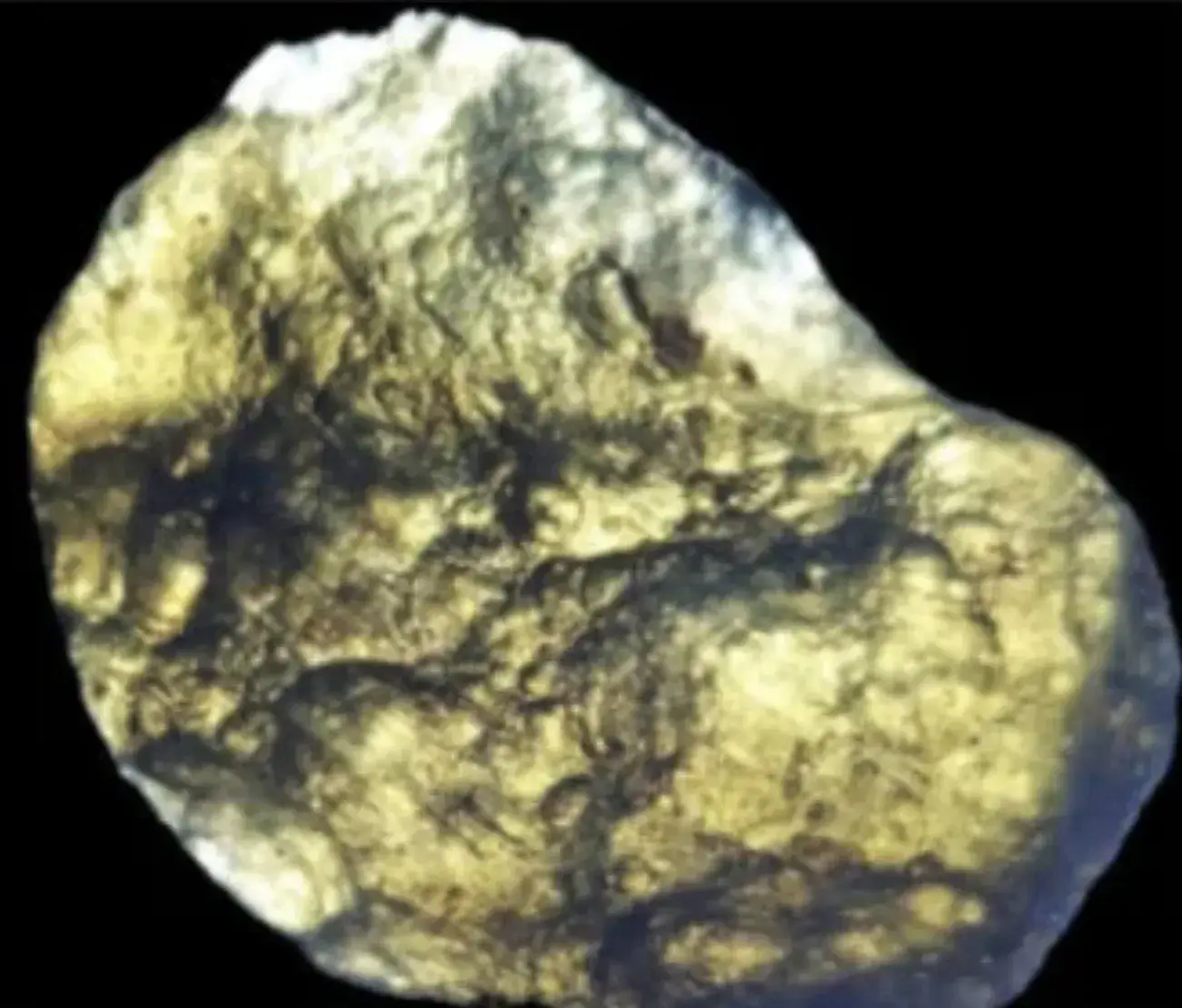
Each type of tektite has its own name depending on where it was found. So, the tektites that were recently discovered were named geraisites after the state of Minas Gerais, where they were found.
The size of the geraizites we found ranges from 2 centimeters to 85 grams. They might look black at first, but this natural glass has a unique grayish-green color and becomes see-through under strong lights.
Gearizites are mostly made up of silica, and they’ve got pretty high levels of sodium and potassium oxides, which are a bit higher than in other tektites.
Scientists have figured out that these tektites were made when a big asteroid fell to Earth about 6.3 million years ago.
The data show that the smooth rocks were probably formed by a meteorite hitting the area, but so far, there’s no sign of an impact crater. But this isn’t a surprise, since only three of the known tektite fields are linked to a confirmed crater.