
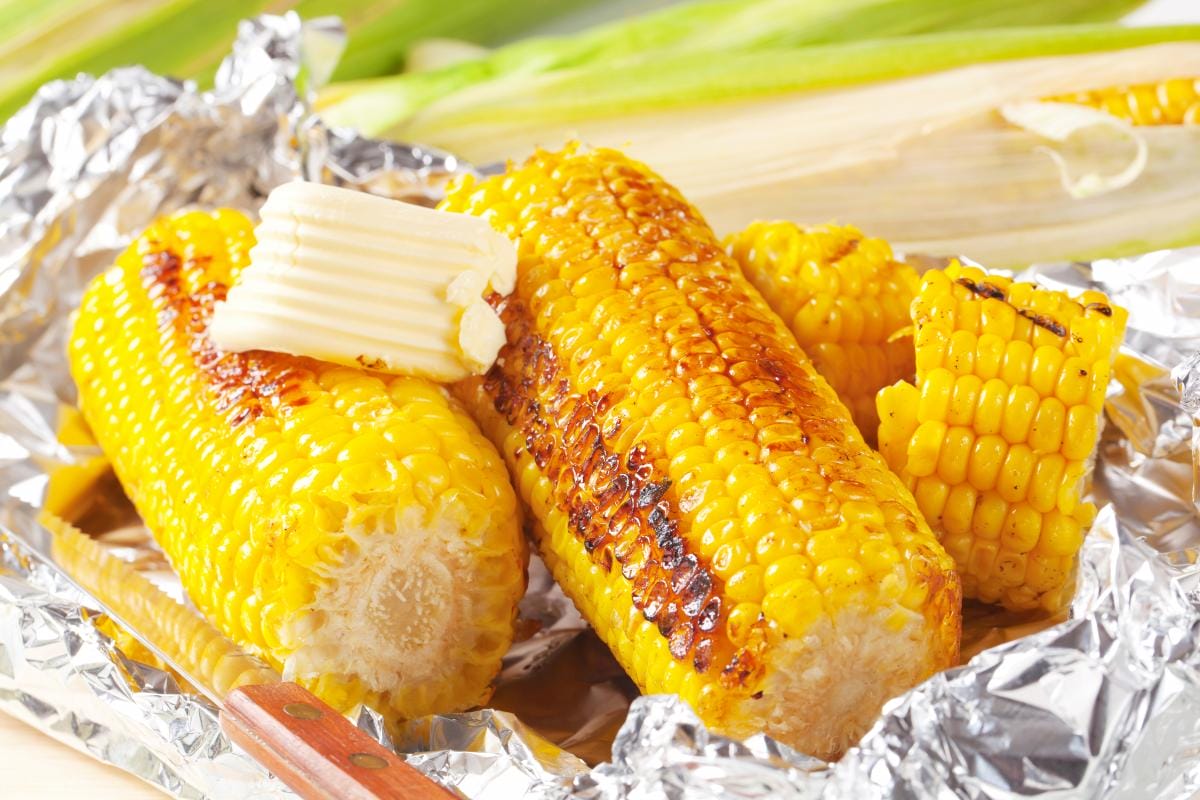

Three food experts—Esther Reynolds, Jessica Gavin, and Jessica Formicola—all agreed on the best ways to cook corn. In the summer, they love grilling at around 200°C to 230°C for 10 minutes. They suggest either baking the ears in foil with butter to keep them super juicy or grilling them right on the rack to get that smoky flavor and a little charring. You can then use the grilled ears in a Mexican “elotes” salad. At the same time, boiling in a pot is considered more practical for large groups. To bring out the sweetness of the kernels, Formicola recommends adding milk and butter to the water. During the off-season, all three chefs agree that frozen corn is the way to go, since it’s got a better crunch and it’s harvested at just the right time.
The first real sign of summer isn’t the weather, but all the corn at the farmers’ market. Out of nowhere, it seems like everyone’s got sweet corn on the brain. It’s popping up everywhere, from barbecues to picnics, and even dinner tables. People are grilling it, eating it straight off the cob with the butter streaming down their chins.
But with something as simple as a vegetable, people often argue about the “right” way to cook it. Grill it? Boil it? Do you cook it in the husk? It seems like everyone’s convinced that their method is the only right one. To settle this debate, Simply Recipes asked three chefs how they prepare corn at home.
The main thing to know is that fresh summer corn needs some attention, and the way you cook it makes a big difference.
The best choice is to fire up the grill
All three experts agree that grilling is the method most closely associated with summer. “If I already have the grill fired up, I husk the corn, wrap it in foil, and toss it on there,” said recipe developer and food writer Esther Reynolds. “Generously brushed with softened butter and sprinkled with salt, it makes the perfect summer side dish.”
Certified food technologist Jessica Gavin says grilling is her favorite way to cook. “The high temperature (around 200°C to 230°C) cooks the kernels quickly, lightly charring the surface, which adds a subtle smoky flavor thanks to the browning,” she said.
In about 10 minutes, the corn is ready. The kernels end up being juicy and tender, with a slight crunch when you bite into them.
Cookbook author Jessica Formicola has two tricks up her sleeve. She either wraps the corn cob in foil with aromatic oil for evenly seasoned, incredibly juicy kernels, or cooks it directly on the grill to achieve a charred finish and smoky aroma. Then, she brushes the hot corn with flavored oil.
When it comes to serving, chefs have plenty of ideas. Elotes—Mexican street corn slathered with a creamy lime mixture, chili powder, and cojita cheese—is a favorite. Gavin often shaves the kernels off the cob to make a fresh corn salad with a yogurt-lime dressing, while Formicola adds the remaining grilled corn kernels to everything from rice pilaf to cornbread.
The Case for Boiling Corn on the Cob
Grilling may be the more popular choice, but there are good reasons why boiling corn on the cob is still a favorite. When it comes to sheer practicality, boiling is hard to beat. When you’ve got a bunch of people to feed or the grill’s in use, it’s hard to beat a simple pot on the stove.
Reynolds says that corn is at its best when boiled in salted water until it’s bright yellow and al dente.
If you want your boiled corn to be juicy and sweet, Formicola says you should add butter and milk to the pot. The old “cream bath” trick isn’t just for show. The butter adds a rich flavor, and the lactose in the milk brings out the corn’s natural sweetness.
When it’s not in season, go for frozen
When it’s out of season, all three chefs pick frozen corn. It’s convenient, the quality is consistent, and it’s a breeze to add to fried rice, chili, or casseroles.
Gavin says they’re usually harvested at the perfect ripeness, so you can count on the flavor being sweet and the texture tender. But fresh corn can sometimes be tough or starchy if it’s not in season.
Reynolds said she used to think canned and frozen corn were pretty much the same thing—until she started using a lot of it to feed her little one, who loves corn.
“I’ve decided that canned corn is waterier and doesn’t have the crunch of frozen corn,” she explained.
To put it simply, when fresh corn is unavailable, frozen corn can be a surprisingly good substitute. Canned corn just doesn’t give you that summer feeling, you know?