
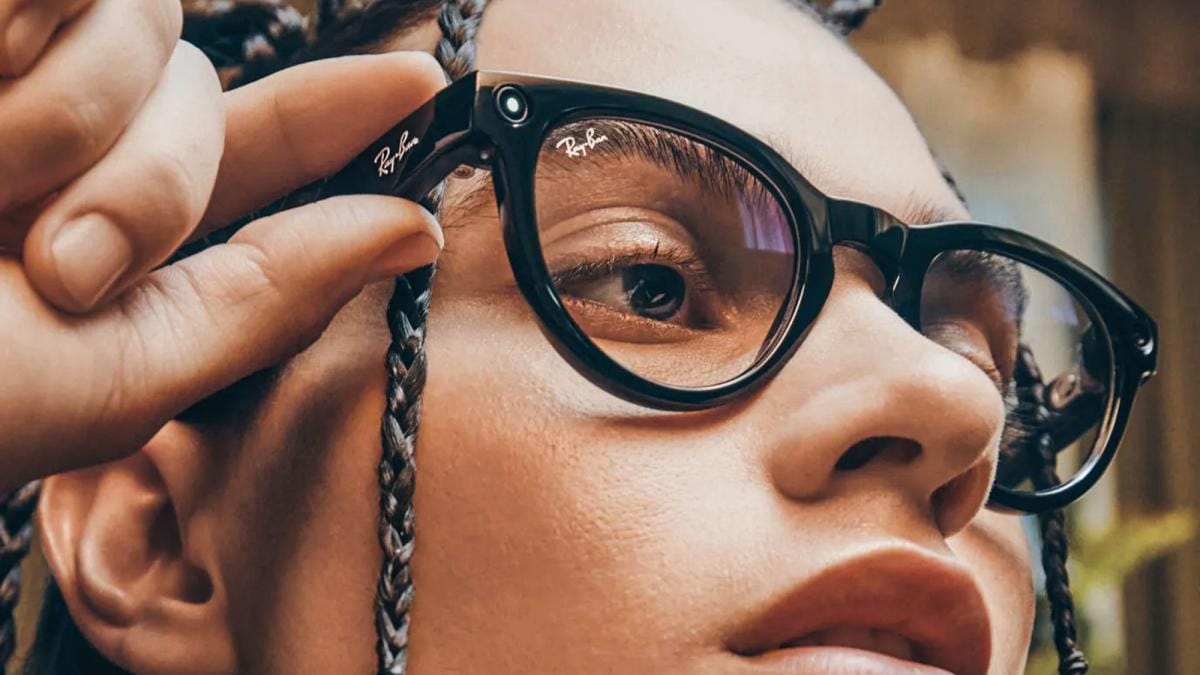

With smart glasses like Meta Ray-Ban becoming more popular, there are new risks of covert recording. BGR has identified five key signs that you’re being secretly recorded. First, there’s the LED recording indicator on the frame, but it’s barely noticeable in bright light. Second, there are miniature camera lenses in the corners of the frame or on the bridge of the nose. These make the frame look bulkier than usual because of the hidden electronics. Third, there’s the suspicious user behavior: touching the temples, using gestures, and fixing their gaze to “frame the shot.” Fourth, you can use audible signals (clicks) or voice commands to a virtual assistant without using a smartphone. You can finally detect the device with special mobile apps that scan for Bluetooth signals nearby. Experts say that laws haven’t quite kept up with this new reality.
Smart glasses are quickly turning from a futuristic gadget into an everyday accessory, but along with convenience, they bring a new problem—discreet recording of the surroundings. The main issue is that modern models like the Meta Ray-Ban have tiny cameras, microphones, and recording indicators that are easy to miss in real life. You can start recording with a voice command or a button, and people sometimes don’t realize they’re being filmed. Journalists at BGR point out that there’s no way to really tell if recording is happening “at a glance,” but there are a few signs that might suggest the smart glasses are in recording mode.
1. Recording indicator
A lot of modern smart glasses have an LED indicator that lights up when you’re taking a photo or recording a video. The idea is to let people know that recording is happening, but in reality, it’s a bit more complex.
First, the light might be too dim or even hard to see in bright lighting. Second, sometimes it’s easy to cover or block it. So, the presence of an indicator is a good sign, but if you don’t see it, that doesn’t mean the recording isn’t happening.
2. Keep an eye out for camera lenses.
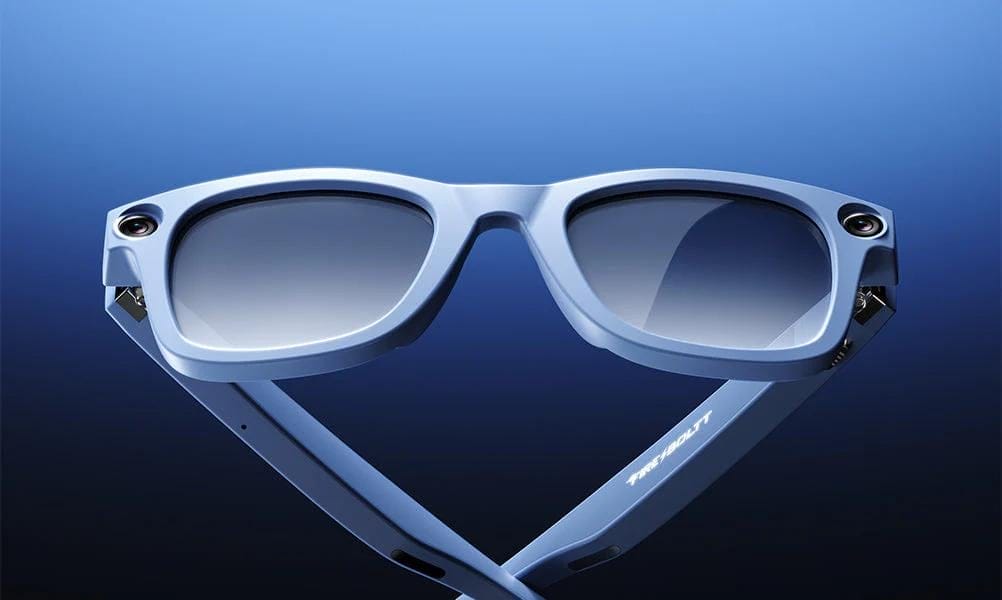
Smart glasses use tiny cameras built into the frame. You’ll usually find them in the corners of the frame or closer to the top, and from a distance, they can easily be mistaken for decorative elements.
But if you look closely, you’ll see some cool details like tiny holes, glass lenses, or little “glittery dots.” Sometimes manufacturers put the camera in the bridge area, making it even less noticeable. If the frame looks a bit bulkier than usual, that could mean there’s built-in electronics and a battery.
3. Suspicious gestures and movements of the user
Smart glasses are usually controlled not by buttons in the usual sense, but by touch or gestures. For example, a person might touch the temple of the glasses, run a finger along the side, or make short, repetitive movements.
It’s also important to pay attention to head movements. If someone’s clearly “framing the shot”—like, slowly turning their head, looking you straight in the eye, and keeping you in the center of their view—it might be a sign that they’re recording video.
4. Sounds and voice commands
Some smart glasses models might make a sound when you start recording, like a quiet click, a tone, or a camera sound imitation. In a noisy environment, this is pretty much impossible to hear, but in silence, you might be able to pick them up.
Another sign is voice commands. If someone says things like “take a photo” or uses a virtual assistant, it’s a pretty good bet that the camera is open. This is especially obvious if they aren’t using a phone.
5. Apps for detecting smart devices
Thanks to the latest tech developments, there are now mobile tools that can detect the presence of smart glasses nearby via Bluetooth signals. These apps can analyze nearby devices and alert the user.
But this method has its limits. It doesn’t always get the device type right and can give false positives. So, these apps are more like extra tools, not a full security solution.
With wearable gadgets becoming more popular, experts say that smart glasses are basically creating a new reality of “covert video surveillance,” and society and the law haven’t had time to adapt to this yet.