
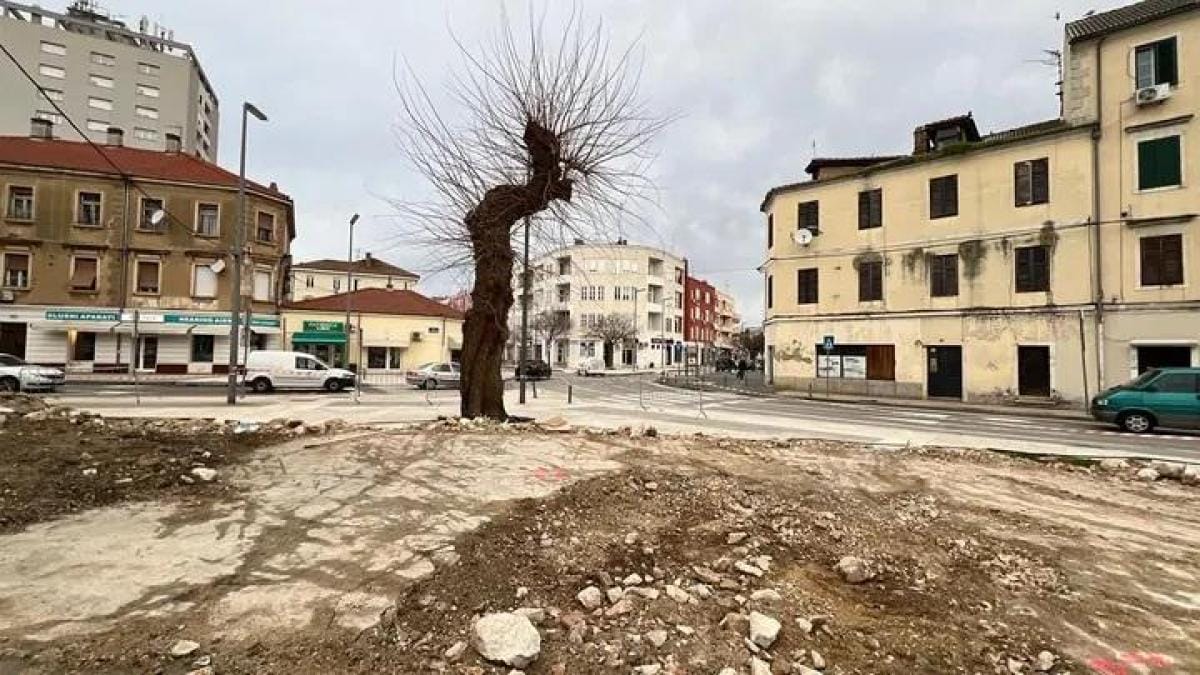

Archaeologists from the University of Zadar discovered the burials beneath the Rela neighborhood in Zadar, Croatia. The necropolis dates from the 1st century BCE to the 5th century CE. The finds illustrate the evolution of burial rites, from cremation accompanied by rich grave goods, such as glass vessels, coins, and lamps, to traditional burials of the Late Roman period. This reflects the transition to Christianity. In addition to ancient artifacts, the researchers found traces of the pre-Roman Liburnian culture, as well as objects from the period of Italian occupation in the 20th century. These findings confirm the city’s strategic importance over the millennia.
Fox News reports that archaeologists have discovered ancient Roman graves beneath one of the modern districts of Zadar, revealing new details about life in the region long before it became a popular tourist destination.
The burials were found in the Rela district, one of Zadar’s bustling coastal neighborhoods known for its coastline, historic architecture, and numerous Roman landmarks.
According to the Department of Archaeology at the University of Zadar, the necropolis dates from the 1st century BCE to the 5th century CE.
Researchers believe that the modern Rela district is situated atop part of a large ancient necropolis of Roman Zadar.
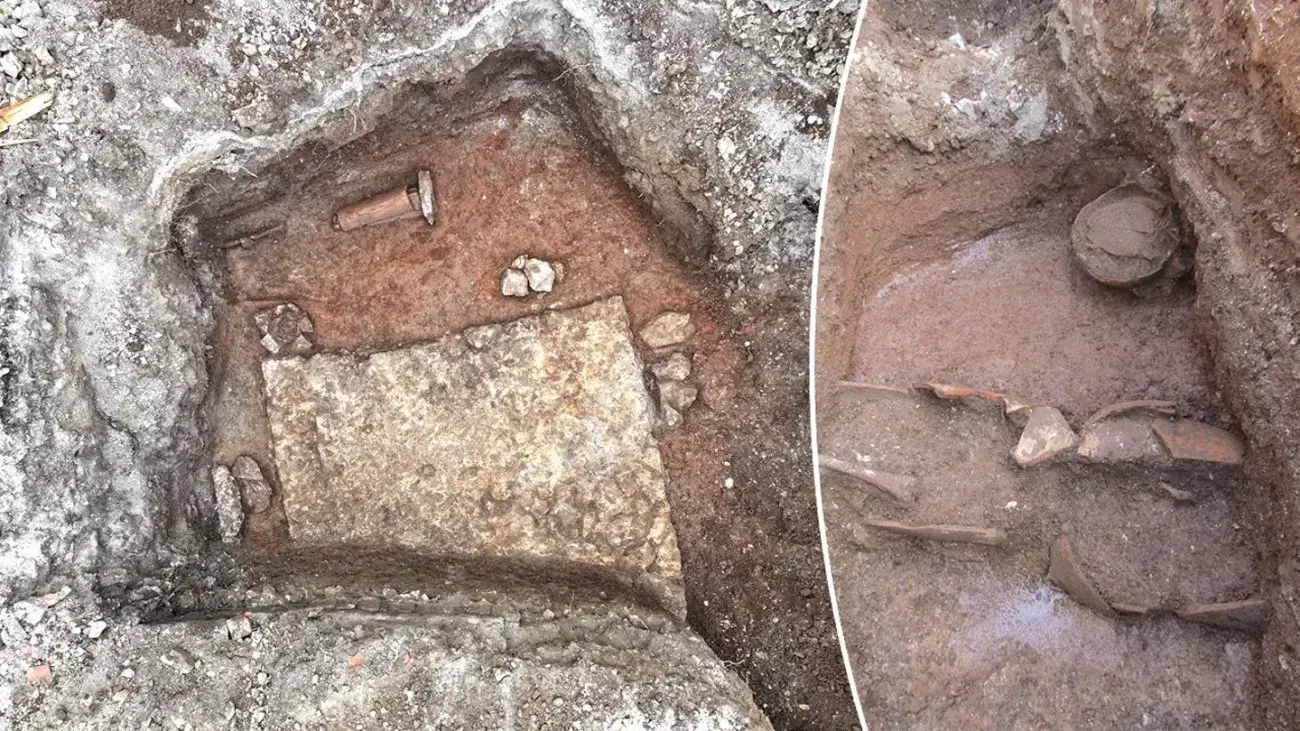
“In Roman times, cemeteries were located outside the city walls, primarily along major roads. It was along one such road that the Romans buried their dead for nearly 500 years,” the archaeologists noted.
About 3,000 graves had already been discovered previously in the wider Rela area, where a shopping center and other modern facilities are now located.
“Today, this area is one of the most actively developed and bustling parts of Zadar. However, during the Roman era, when the necropolis was established, it was on the outskirts of the city,” the statement said.
Igor Borzic, a professor at the University of Zadar, reported that approximately 15 graves were found at the new site.
According to Borzic, the findings clearly demonstrate the evolution of burial practices over the centuries.
“Cremation was the dominant practice in the first and second centuries CE,” Borzic explained.
Archaeologists found glass vessels for incense, ceramic bowls, oil lamps, coins, and other ritual objects in the graves.
Starting in the 2nd century, traditional burials became increasingly common. The scholar noted:
“Over time, fewer burial objects were found in such graves, reflecting a gradual shift in attitudes toward the afterlife and broader religious transformations—from pagan traditions to the establishment of Christianity.”
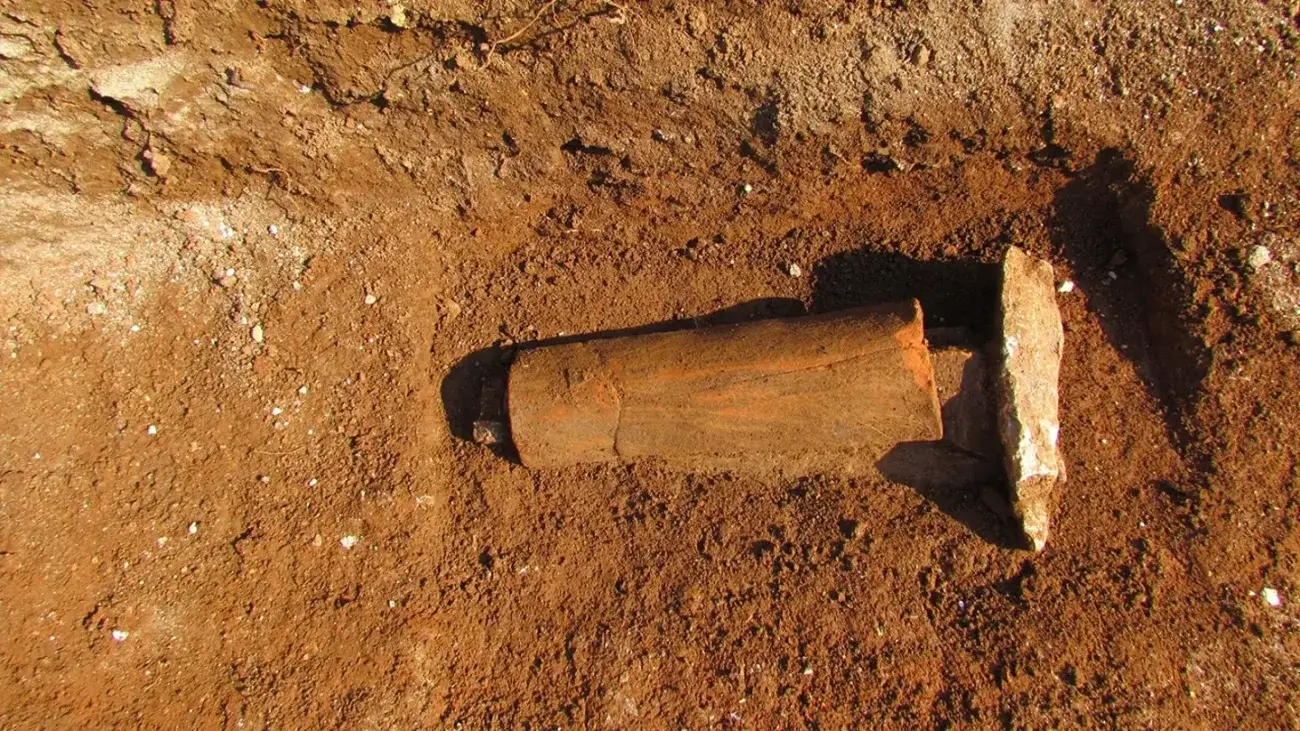
According to archaeologists, these burials suggest that the population of Roman Iader—as Zadar was known in antiquity—followed the cultural and religious trends of the Roman Empire as a whole.
Borzić emphasized that such finds are not unexpected in Zadar, yet each one has its own story and value.
He added that modern archaeology increasingly uses laboratory analyses to determine people’s origins, diet, health status, and causes of death.
“It is precisely in this area that we expect to obtain new and perhaps unexpected information,” he added.
Among the most interesting finds are a burial that may date back to the pre-Roman period and belong to the ancient Liburnian culture and charred remains from the second to third centuries CE.
The archaeologist believes these are likely food or grain remains and will send them for further analysis.
All of the artifacts found will be thoroughly examined and temporarily displayed in the archaeology department’s collection.
Items from the 20th century associated with the Italian occupation of Zadar were also discovered at the excavation site.
“This once again highlights the city’s important role throughout history,” Borzic noted.
He explained that Zadar’s strategic importance stems from its location on key maritime routes in the eastern Adriatic and its surrounding fertile lands. The archaeologist concluded:
“These factors allowed Zadar to remain an important center throughout various historical eras.”