
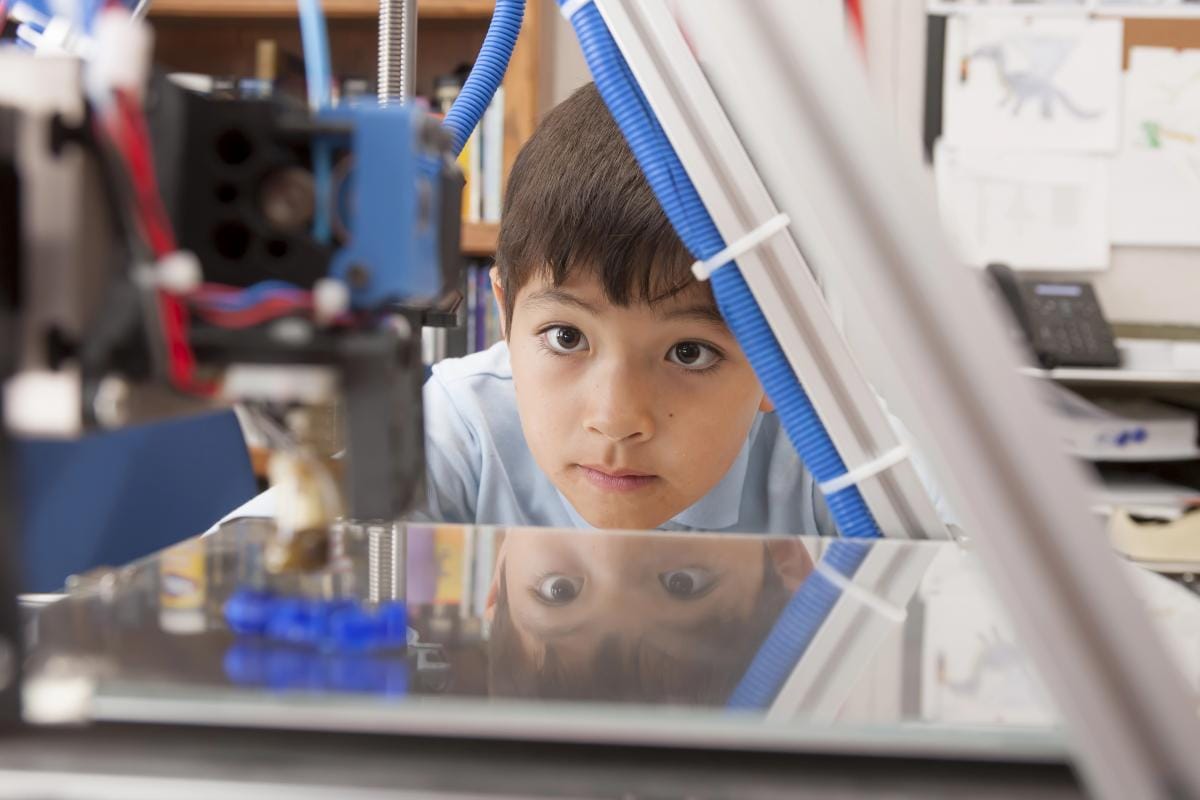

3D printers have become a popular tool for creativity, but experts at SlashGear have found that there are five categories of items that are dangerous or illegal to print at home. The list includes children’s toys (because of choking hazards and sharp edges), gun parts (legal risks), and any items that come into contact with food, as porous plastic can harbor bacteria. Also, don’t print protective gear that can’t handle real-world impacts or copyrighted objects, or you might get into legal trouble. Home printing is great for prototypes, but when it comes to safety and hygiene, it’s better to stick with certified factory-made products.
The 3D printer has become a tool that’s easy for anyone to use, whether they’re into hobbies, repairs, or creativity. But even though additive manufacturing has a lot of potential, there are some things that just aren’t worth printing, and it’s not just because of the law. There’s also the risk to you and your family to consider. The SlashGear experts have put together a list of the most important categories to avoid.
Kids’ toys
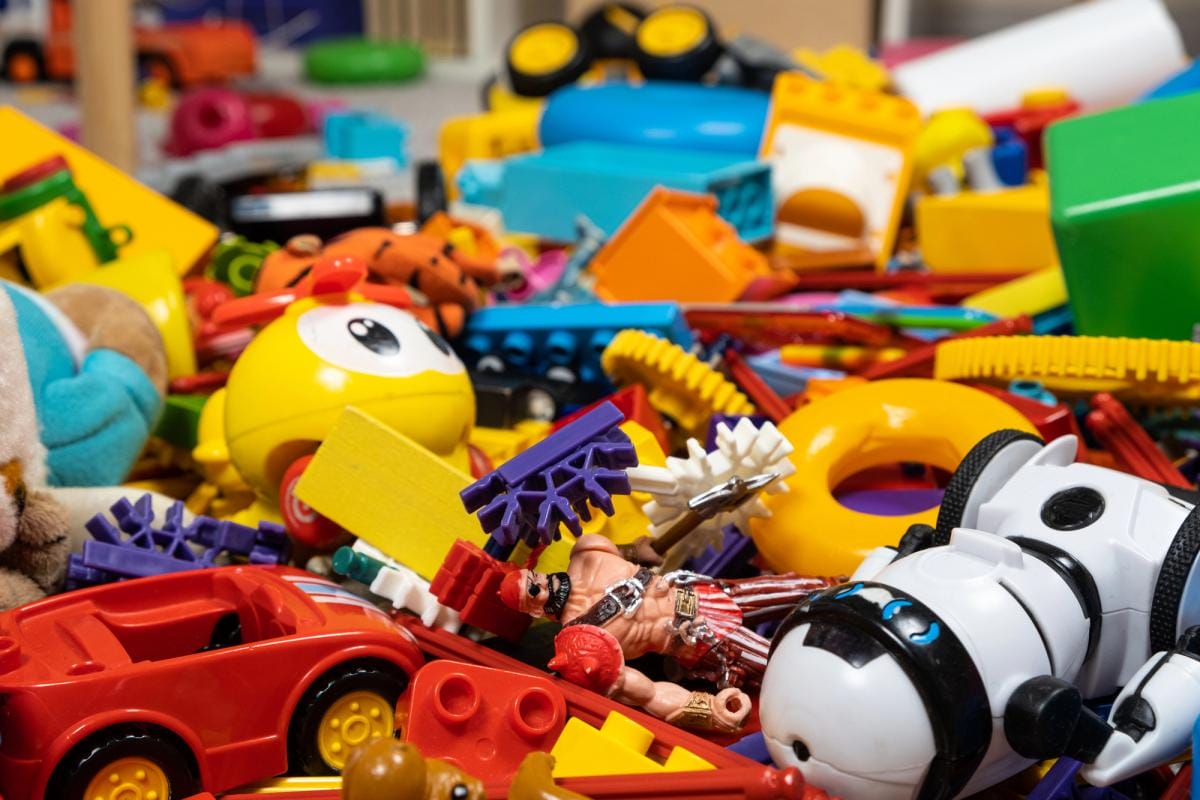
Plastic toys made at home can be dangerous for kids. Plastic micro-particles, sharp edges, and small parts can easily lead to injuries and choking hazards.
Homemade toys often don’t pass safety inspections, so it’s better for kids to use certified products made by professional companies.
“Ghost guns” or their parts
It’s hard to create a fully functional firearm on a standard printer, but 3D-printed gun parts or accessories can be dangerous and can have legal consequences.
There are a lot of file generators for these projects online, and some countries are tightening laws to restrict them.
Anything that comes into contact with the mouth or food
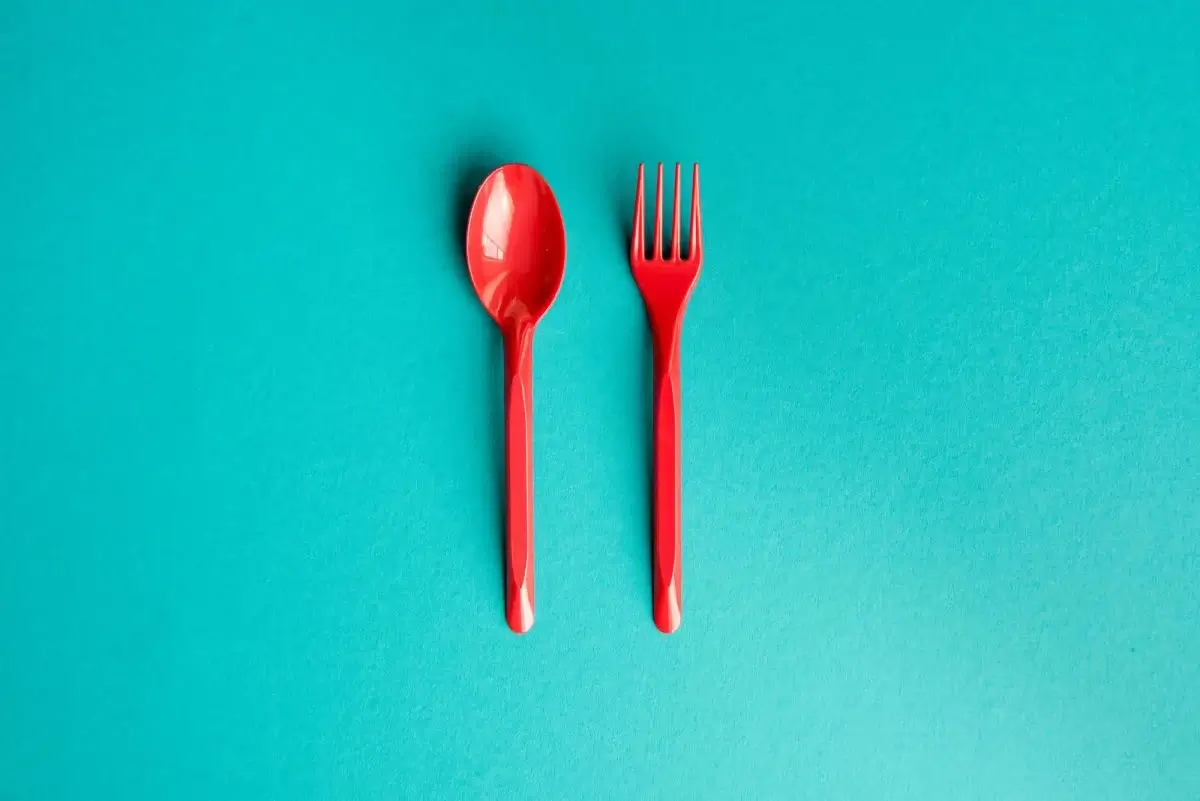
Containers, cutlery, cups, and even musical instruments that come into contact with the mouth or food aren’t ideal for home printing. Plastic can release microparticles or chemical compounds, especially when heated, and its porous surface can trap bacteria.
Even printed items are hard to keep clean, so it’s better to avoid using them for eating or drinking.
Things with copyrights
If you print someone else’s intellectual property—like a figurine, an accessory, or a decorative item—you might get into trouble for copyright infringement. This is especially true if you’re planning to sell or display the items publicly.
Home 3D printing makes it easy to copy content, but there are serious legal consequences, including fines and lawsuits.
Protective Gear
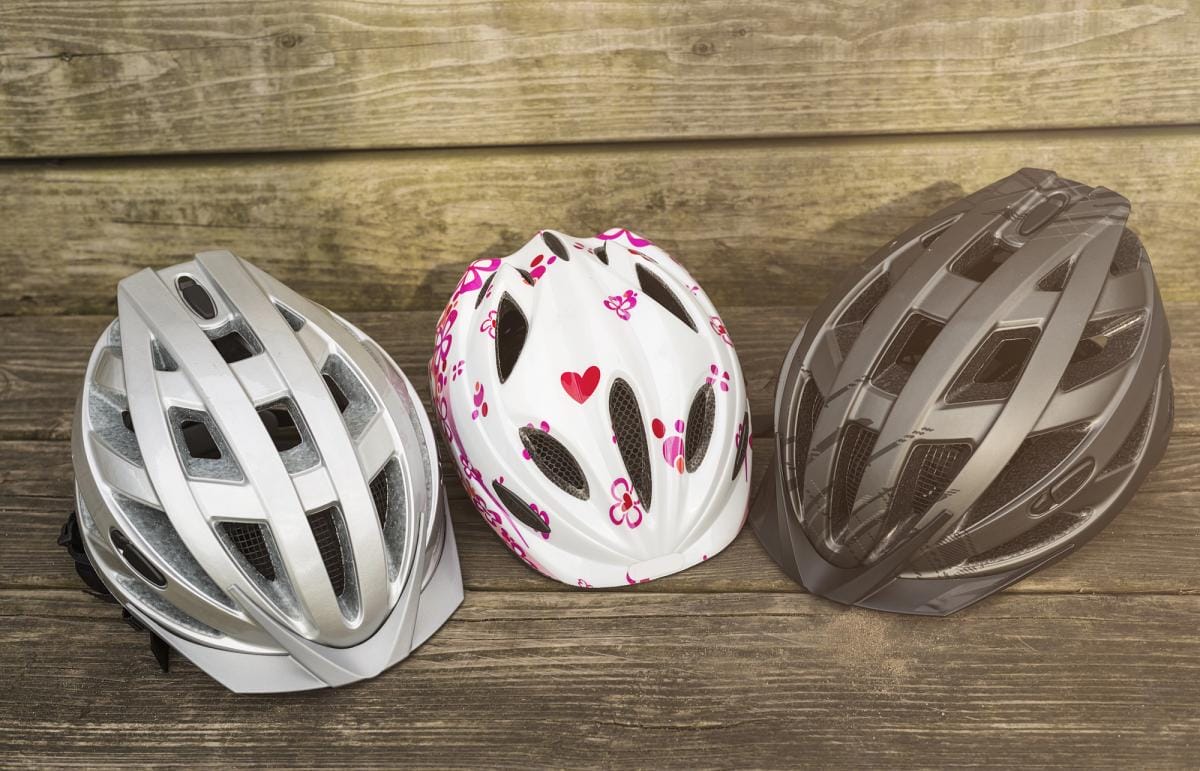
Helmets, knee pads, and other safety gear printed at home just don’t cut it. They don’t provide enough protection. The plastic used in regular 3D printers can’t handle impact, and the items aren’t certified.
Home-printed versions might be useful only as prototypes or decorative items, but they should not be used in real-life hazardous situations.