
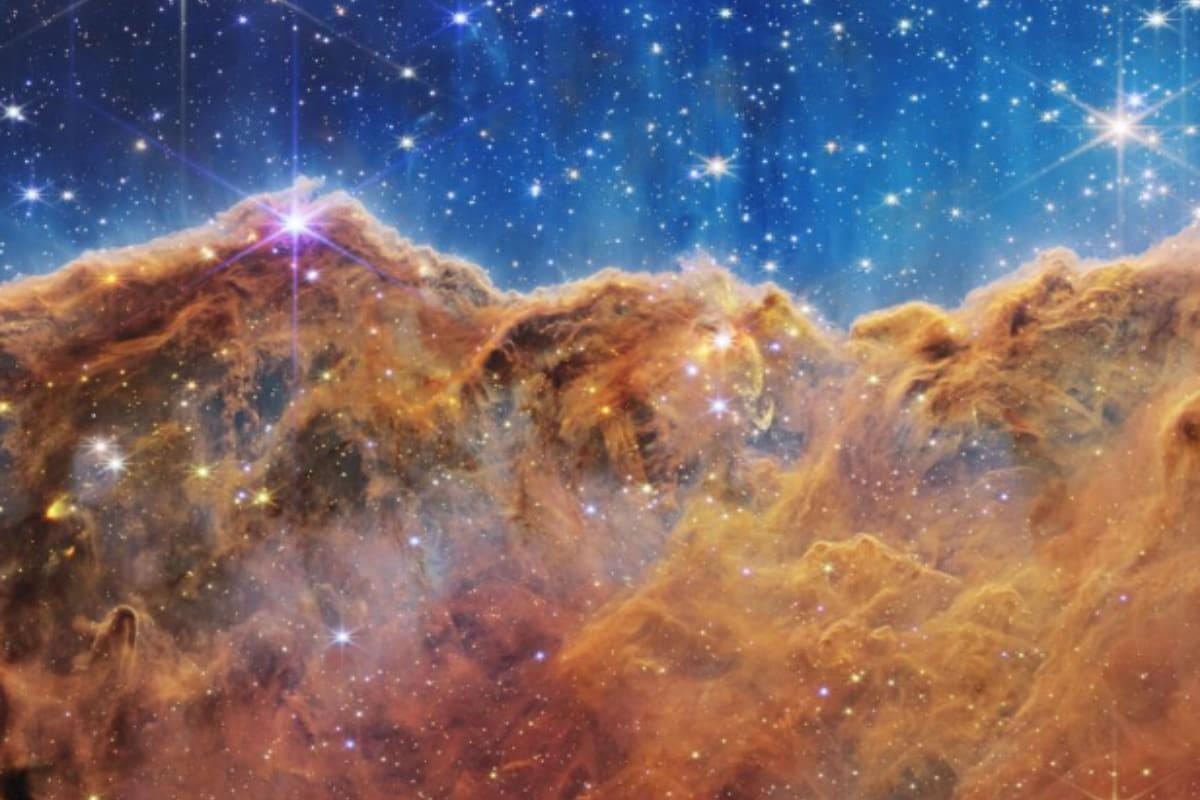

Using the James Webb Space Telescope (JWST), University of California, Riverside astronomers created the most detailed map of the “cosmic web” — a structure of dark matter and gas that connects galaxies. Through the COSMOS-Web project, scientists were able to look back 13.7 billion years, tracing the formation of the universe to when it was just one billion years old. The Webb telescope’s infrared instruments allowed scientists to distinguish details that appeared as solid, blurred spots to the Hubble telescope. This achievement opens new horizons in our understanding of the fundamental structure of the cosmos.
Using NASA’s James Webb Space Telescope, astronomers have created an incredibly detailed map of the “cosmic web.” According to Interesting Engineering, it shows exactly how galaxies have connected and evolved over 13.7 billion years.
Imagine the universe as a huge city; this network is its foundation and its roads. Consisting of threads of dark matter and gas invisible to the naked eye, it is the foundation of the universe.
These “strings” connect galaxies and their clusters, with voids gaping between them. Using available data, researchers traced these structures back to a time when the universe was only one billion years old.
The study was led by scientists from the University of California, Riverside. The team used data from the COSMOS-Web project, the largest telescope survey ever conducted. The team shared that they photographed a section of the sky the size of three full moons.
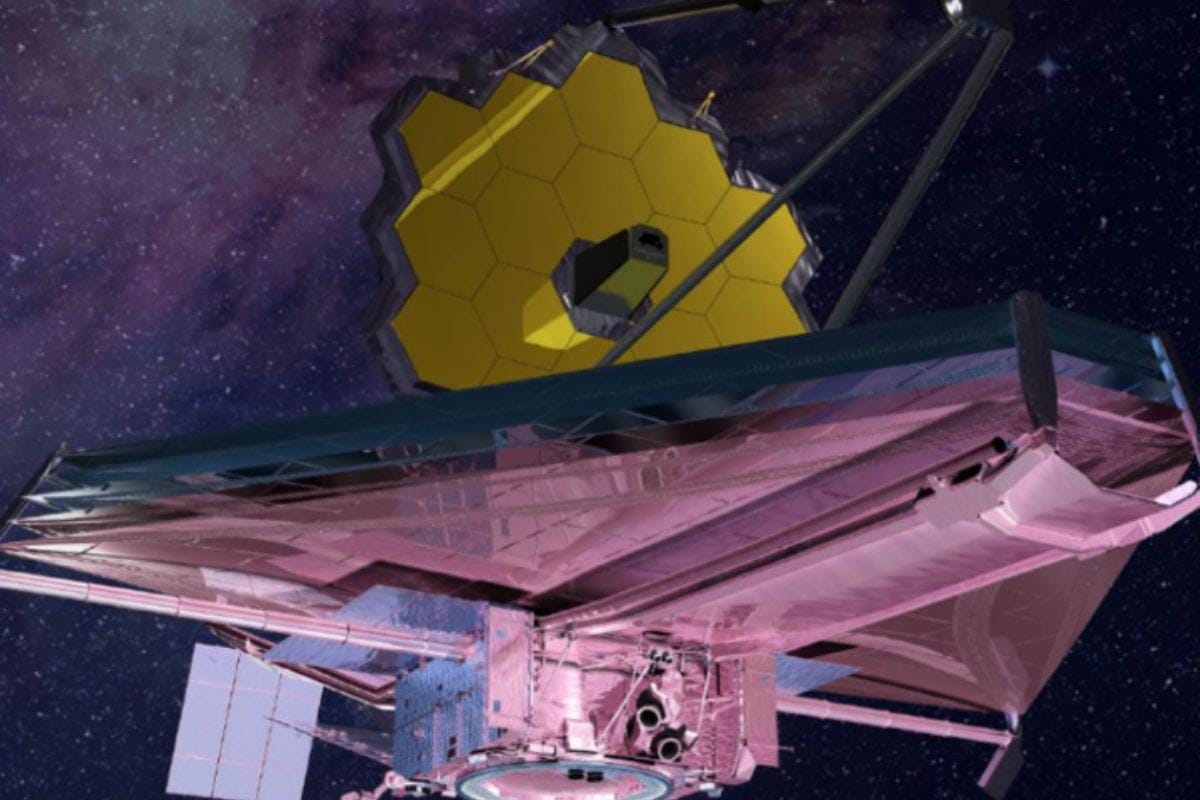
Thanks to infrared instruments, the telescope can now see even the faintest objects that were previously hidden from us.
“The JWST has completely changed our view of the universe, and COSMOS-Web was designed from the outset to provide the wide, deep view necessary to see the cosmic web,” noted lead author Hossein Khatamnia.
Webb vs. Hubble
Previously, astronomers used data from the Hubble telescope, but its images were not as clear. Where the old telescope saw one large, blurry spot, the new Webb telescope sees many distinct details.
“What previously looked like a single structure now breaks down into many, and details that were previously smoothed out are now clearly visible,” said Bahram Mobasher, a physics and astronomy professor.