
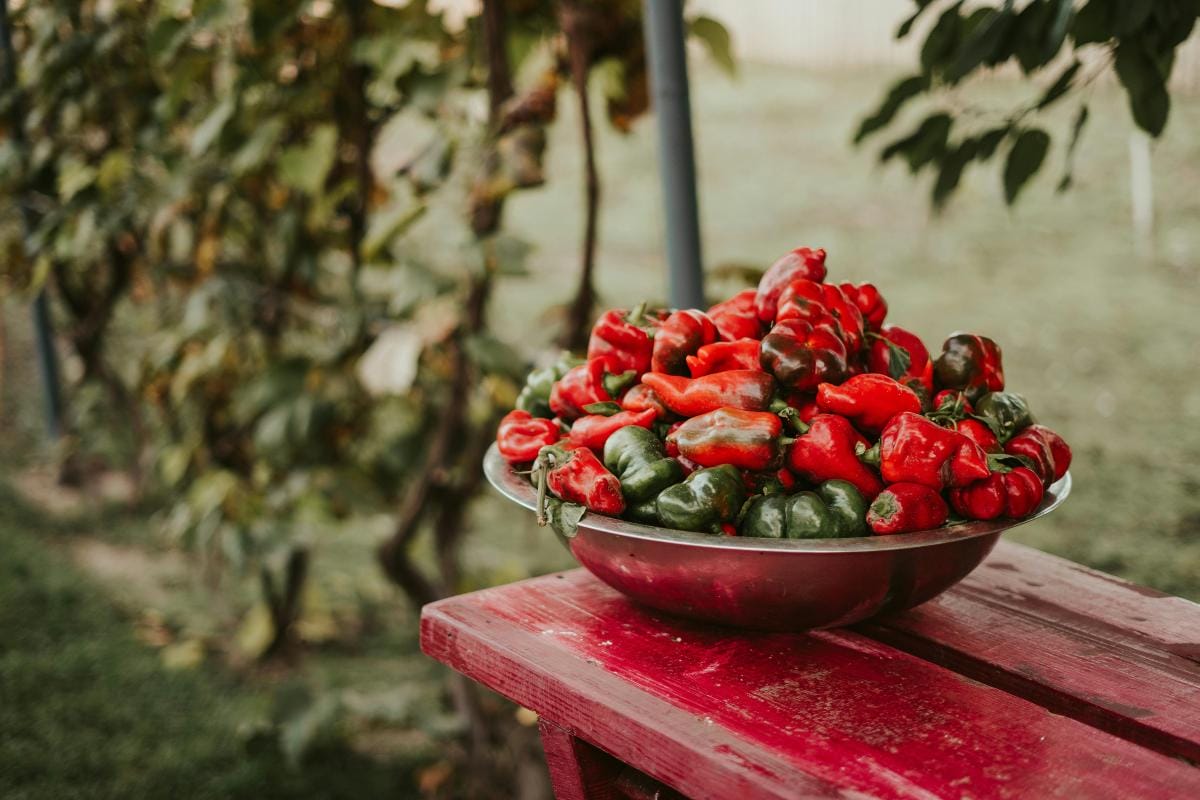

Experts have pinpointed the places and conditions where peppers shouldn’t be planted, as they’re at risk of losing their crop. The crop doesn’t like the shade (it needs 6–8 hours of sunlight), heavy soil, or low-lying areas with waterlogging, which causes root rot. You should also avoid crowded beds and areas with aphids or mites. Also, experts say you shouldn’t plant peppers after or next to tomatoes, potatoes, or eggplants because of diseases that peppers and tomatoes can share.
Peppers are considered a fairly heat-loving crop that does well in stable conditions. If you pick a bad spot, the plant might not grow right, get sick, and produce fewer fruits.
We’ll let you know where to plant peppers—in the shade or in the sun—and where you shouldn’t plant them.
What peppers don’t like—and which spots aren’t suitable for them
Planting peppers in the wrong spot can mean missing out on your harvest right away. Martha Stewart says that experienced gardeners have shared where it’s best not to plant peppers and why such conditions are dangerous for the harvest.
Peppers do best in the shade and where there’s not a lot of sun.
To get a good harvest, you need at least 6–8 hours of sunlight per day.
In the shade, the plants stretch out, become weak, and bloom less well. The fewer flowers there are, the fewer fruits there will be. Also, peppers in the shade ripen more slowly in cool weather.
Peppers don’t do well in areas where water pools
If water sits in the garden bed for too long after it’s rained or been watered, the roots can’t get enough oxygen. This can lead to yellow leaves and stunted growth, even the plant dropping its flowers. In moist soil, there’s also a higher risk of root rot.
Pest problems can crop up in these spots.
If aphids or spider mites keep showing up on the peppers, they’re probably going to be in trouble right from the start of the season.
“Aphids make the leaves curl and suck the sap from the plant, stunting its growth,” says Linda Langelo, a horticulture specialist at Colorado State University. “Spider mites leave light spots and fine webs on the leaves. Eventually, the leaves start to dry out and fall off.”
In Crowded Beds, peppers need space to grow
If you plant them too close together, they’ll start competing for water, nutrients, and sunlight. Also, there isn’t enough air circulation between the bushes, which can lead to fungal diseases and pest infestations.
Peppers don’t do well in heavy and compacted soil because their roots have a hard time developing there.
In poor and heavy soil, the plants often grow weak and produce a smaller yield. Peppers do best in loose, fertile soil with good drainage and moderate moisture.
After you’ve planted your tomatoes, potatoes, and eggplants, it’s best not to plant peppers in the same spot. That’s according to Ankit Singh, an associate professor and lecturer in ornamental horticulture at Menuhin University. “All these crops are nightshade family members, and they can be susceptible to a lot of common soil-borne diseases and pests.”
Tomatoes, potatoes, and eggplants are also at the top of the list of what not to plant near peppers. These plants share diseases and pests that can stick around in the soil. This can lead to problems like late blight, bacterial infections, and plant wilting.
When it comes to temperatures that are harmful to peppers, frosts are particularly dangerous (at temperatures below 0°C, the plant may die). When the temperature is between +10 and +12°C, its growth practically stops, and a long cold snap below +5°C often destroys young seedlings. Heat over 35°C is also harmful. It causes peppers to drop their flowers and reduces fruit set.
What Peppers Need When Planted in the Ground
Peppers need a few things to grow well and produce large, juicy fruits: warmth, plenty of sun, loose soil, and regular watering.
The best place for peppers is somewhere warm, sunny, and protected from the wind, with fertile soil and good drainage. Then the plants will be strong and healthy, and they’ll reward you with a good harvest.