
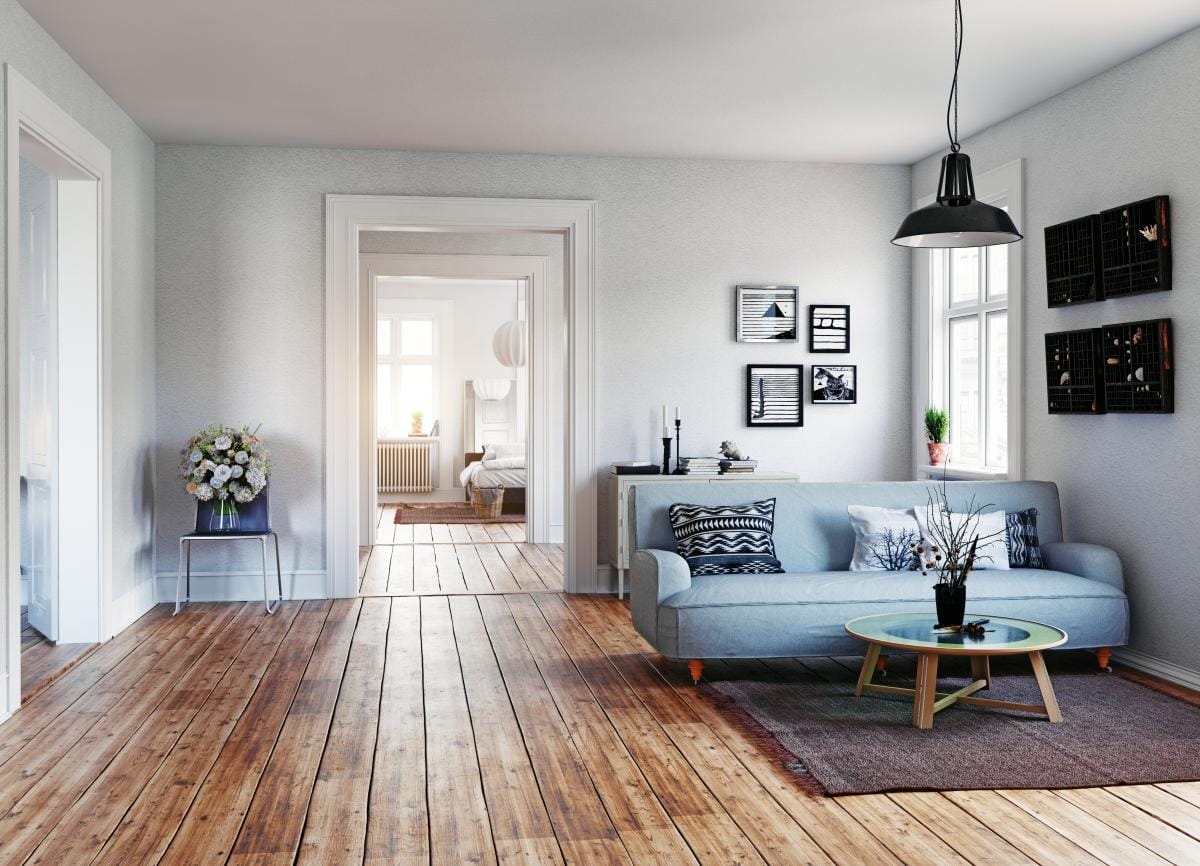

In an article for Martha Stewart, designers Tamara Gubinski and Kerry Kelly talked about six common renovation mistakes that tend to pop up over time, especially for older folks. The pros are saying that homeowners shouldn’t trade practicality for style. For example, instead of open shelves, go for cabinets. Also, don’t settle for a bathtub when you could have a shower stall. And avoid narrow hallways, if you can. They also suggest not changing the floor level (no steps in the living room), avoiding polished stone because it’s slippery, and planning multi-level lighting and enough outlets ahead of time to avoid having too many wires.
When people are planning a renovation of an apartment or house, they try to make their dream interior a reality. And often, when they’re trying to make something look nice, they forget about how practical it is. These mistakes can become a serious problem, especially if elderly people live in the home. Marthastewart says that design experts Tamara Gubinski and Kerry Kelly say it’s important to focus on more than just how things look when you’re renovating, and to think more about how they work. The publication also lists common renovation mistakes that people later deeply regret.
It’s all about looks, not how well it works. The designers say it’s best not to sacrifice functionality for trendy solutions. The article says that open shelves or no wall cabinets might look great, but in real life, they can cause storage problems. Experts recommend planning for wider doors, barrier-free showers, built-in storage systems, and non-slip floors right from the start. This will make sure you’re comfortable for years to come.
A Bathtub Instead of a Shower
The authors suggest that you might want to think twice before replacing your shower with a big bathtub. Designers say that a barrier-free shower is a much more practical solution for older people. Experts also suggest paying attention to other details, like storage niches, grab bars, and multi-level lighting.
Passages that are too narrow
The article says that hallways that are too cramped, doors that are too narrow, and kitchen passageways that are too small can eventually become more than just inconvenient—they can also become dangerous. Designers say that having open spaces between the kitchen, dining room, and living room makes it easier to move around and stay connected with family and friends.
Changes to the floor level
Experts also suggest avoiding sunken living rooms or raised platforms inside the home. While these designs add some flair to an older adult’s living space, they can also make it harder to move around and increase the risk of a fall.
Poor lighting and a shortage of outlets
Experts remind us that good lighting becomes especially important as we age. The article says that not enough light can lead to falls and make daily activities more difficult. Designers suggest paying special attention to the placement of electrical outlets to avoid unnecessary extension cords and wires on the floor.
Slippery stone floors
People often regret their decision to go with large areas of polished natural stone. Experts say that these surfaces are especially dangerous in the bathroom, kitchen, or entryway because they’re so slippery. Designers suggest using stone only as a decorative accent or choosing materials with an anti-slip coating.